
Ranthambore, Rajasthan Rajasthan Tiger Safari
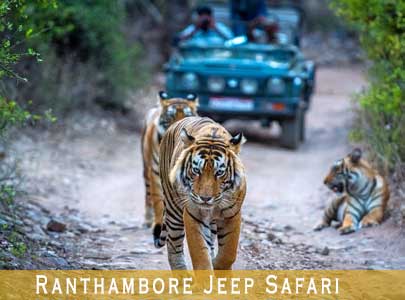
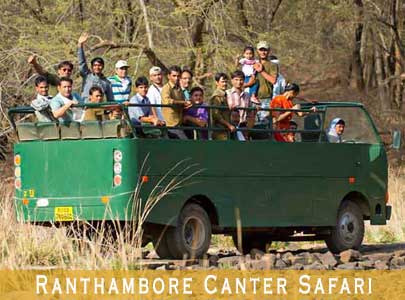
If you are looking for a jeep safari in Ranthambore, you've come to the right place. rajasthan tiger safari provides jeep safaris in Ranthambore.
Exploring Ranthambore: A Guide to the Jeep Safari Experience
Nestled in the heart of Rajasthan, India, Ranthambore National Park stands as a testament to the region's rich biodiversity and royal history. Among the various ways to explore this natural wonder, the Ranthambore Jeep Safari offers an unparalleled adventure, bringing visitors face-to-face with the majestic wildlife and scenic beauty that define this protected area.
What is Ranthambore Jeep Safari?
The Ranthambore Jeep Safari is a guided tour conducted in an open jeep, designed to give tourists an intimate experience of the park’s diverse flora and fauna. Rajasthan Tiger Safari provides an opportunity to traverse the rugged terrains, dense forests, and expansive grasslands of Ranthambore, allowing visitors to witness the wildlife in its natural habitat.
The Safari Experience
Booking and Timing
Safaris are conducted twice a day: once in the early morning and again in the late afternoon. These timings are strategically chosen as they coincide with the periods when animals are most active, increasing the chances of sightings. Booking can be done online or through various travel agencies, but it is advisable to book well in advance due to the high demand, especially during peak tourist seasons.
Zones and Routes
Ranthambore National Park is divided into several zones, each offering a unique landscape and variety of wildlife. The zones are assigned randomly at the time of booking to ensure even distribution of visitors across the park and to minimize human impact on the environment. Each safari lasts for approximately three to four hours, providing ample time to explore the designated zone.
Wildlife Encounters
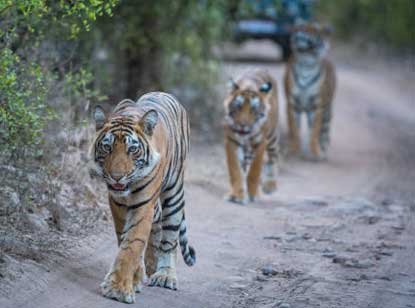
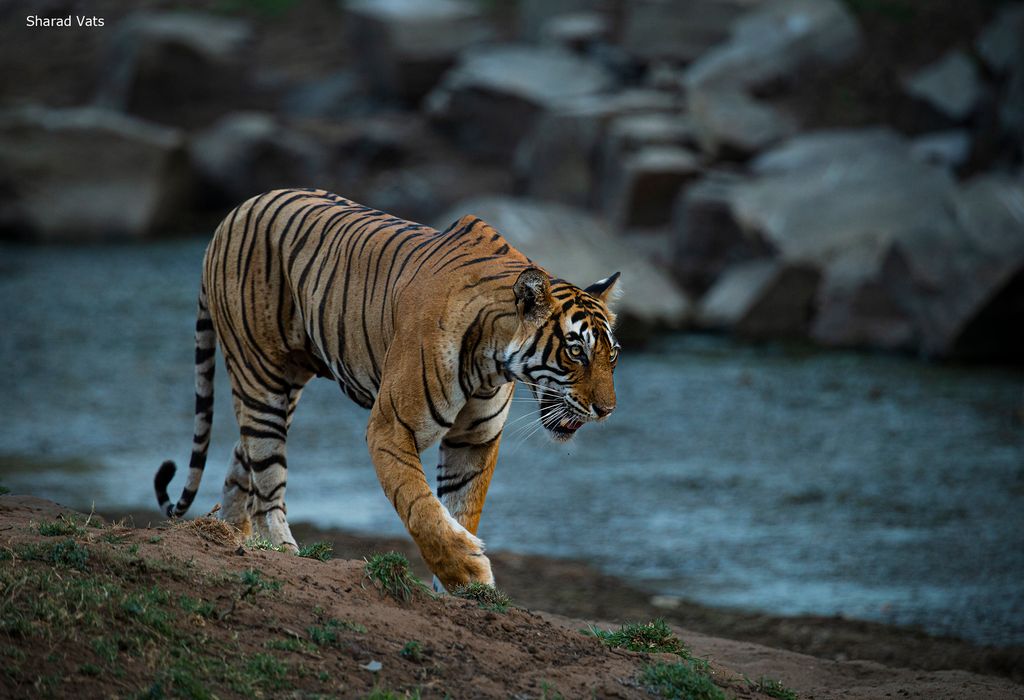
The highlight of the Ranthambore Jeep Safari is undoubtedly the chance to spot the elusive Bengal tiger. Ranthambore is one of the best places in India to see these majestic predators in the wild. Besides tigers, the park is home to leopards, sloth bears, hyenas, deer, and a variety of bird species. The guides and drivers are highly knowledgeable, enhancing the experience by sharing insights about the wildlife and their behaviors.
Preparation and Tips
Clothing: Wear comfortable, neutral-colored clothing to blend with the natural surroundings. Early morning safaris can be chilly, so carrying a light jacket is advisable.
Photography: Bring a good camera with a zoom lens to capture the wildlife from a distance. Binoculars can also enhance the viewing experience.
Safety: Follow the instructions of the guide at all times. Do not step out of the jeep, as it can be dangerous and disrupt the wildlife.
Respect Nature: Maintain silence during the safari to avoid disturbing the animals. Do not litter, and follow the park’s guidelines to preserve its pristine environment.
Conservation and Community
The Ranthambore Jeep Safari is not just a thrilling adventure but also an important tool for conservation. The revenue generated from tourism helps fund various conservation projects aimed at protecting the park's wildlife and habitat. Moreover, Rajasthan Tiger Safari provides employment opportunities for the local community, fostering a symbiotic relationship between conservation efforts and sustainable tourism.
A Jeep Safari is the best way to spot and photograph wildlife in Ranthambore National Park. Jeep safaris in Ranthambore are one of the most popular ways to see animals and observe the park's gorgeous surroundings. You can also choose between a shared and an exclusive Jeep safari. A maximum of six tourists, accompanied by a trained guide and driver, are allowed in the tiger reserve at fixed times during the morning and evening safari hours.
There are total 10 safari zones in Ranthambore National Park. Zone 1-6 is known as core area and Zone 7-10 is known as buffer area
Our Destination expert will be happy to help you resolve your queries for this tour.